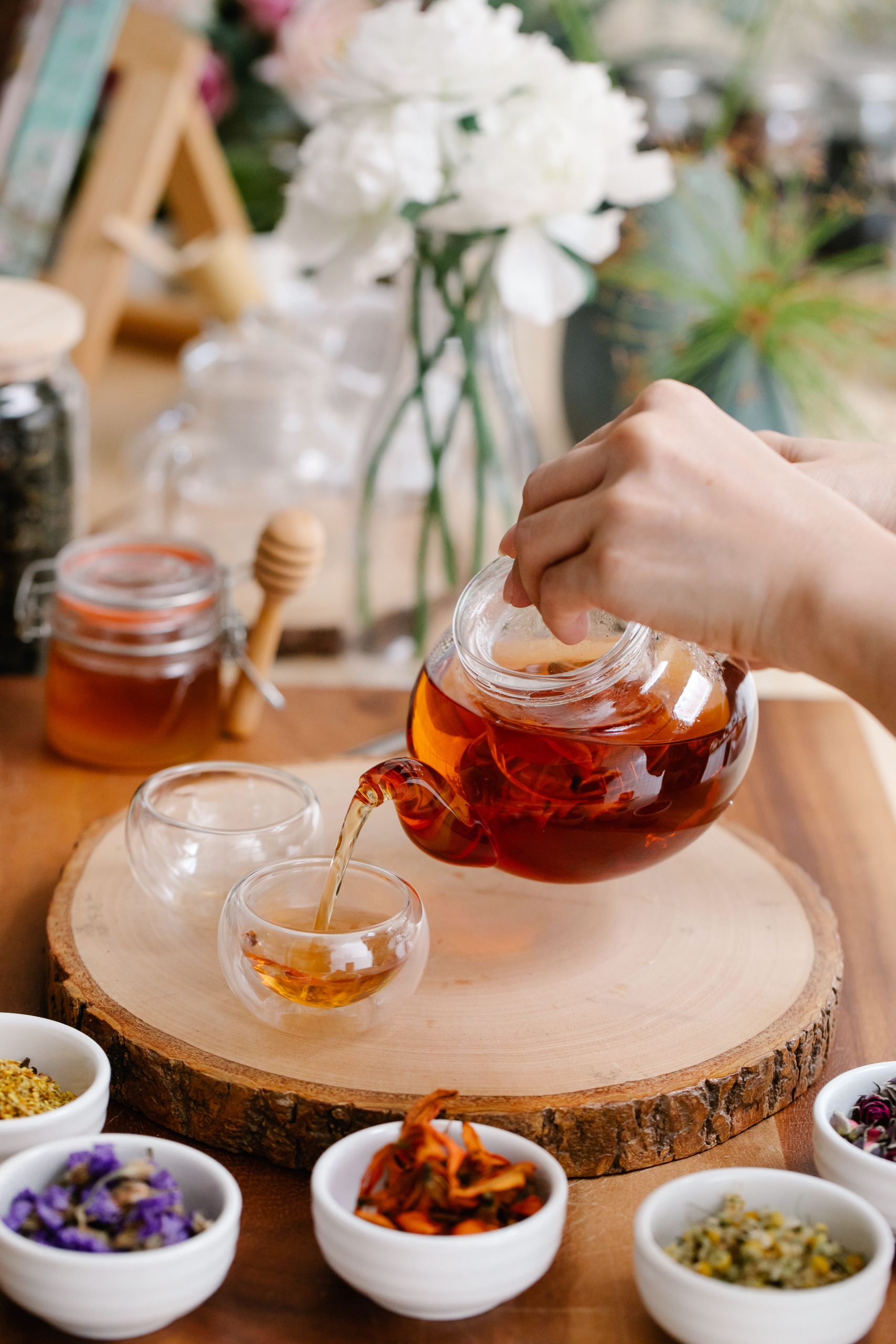

Cinnamon water is a simple, naturally sugar-free drink made by steeping cinnamon sticks in hot water. It takes five minutes to make, tastes lightly sweet without any added sugar, and is an easy way to enjoy cinnamon, one of the most antioxidant-rich spices there is. Here is how to make it, plus what the research says about its benefits.
What are the health benefits of cinnamon water?
Cinnamon has been used medicinally since around 2000 BC to soothe coughs, sore throats, and joint pain. Today, research suggests cinnamon is:
- Anti-inflammatory: its compounds help calm inflammation in lab and early human studies.
- Antimicrobial: cinnamon shows antifungal and antibacterial activity.
- Rich in antioxidants: it is packed with flavonoids and polyphenols and ranks among the most antioxidant-rich spices on the planet.
RECIPE
Simple Cinnamon Water
A naturally sweet, sugar-free drink made with just two ingredients. Enjoy it hot on a cool morning or iced in the afternoon.
Prep
5 min
Steep
Overnight
Makes
4 cups
Sugar
0 g added
Ingredients
- 4 cups water
- 4–6 Ceylon cinnamon sticks (use more for a sweeter, stronger flavor)
Instructions
- Bring 4 cups of water to a boil.
- Pour the hot water into a large mason jar or heat-safe pitcher.
- Add 4–6 cinnamon sticks.
- Let it steep at least a few hours, ideally overnight. (Refrigerate once it cools.)
- Remove the sticks and enjoy hot or cold.
Tips
- Storage: Keep covered in the fridge and drink within 2–3 days.
- Flavor twists: Add a few slices of fresh ginger, an orange peel, or a couple of whole cloves while it steeps.
- Serve warm: Gently reheat on the stove. No need to boil again.
Can cinnamon help balance blood sugar?
The evidence on cinnamon and type 2 diabetes is mixed. What studies do show is that cinnamon appears to slow how quickly the stomach empties after a meal, which may help keep blood sugar steadier.
These findings do not establish that water steeped with cinnamon sticks has the same effects. Enjoy cinnamon water as a beverage, not as a treatment or a replacement for diabetes medication. If you take blood-sugar-lowering medicine, discuss regular, concentrated cinnamon use with your healthcare provider.
Ceylon vs. cassia: which cinnamon should you use?
For the most benefit, choose organic Ceylon cinnamon (sometimes labeled “true cinnamon”). Most supermarket cinnamon is cassia, which contains much higher levels of coumarin, a natural compound that can strain the liver in large amounts over time. Ceylon contains only trace amounts.
| Feature | Ceylon | Cassia |
|---|---|---|
| Coumarin | Trace amounts | Much higher |
| Flavor | Mild, sweet, delicate | Bold, spicy |
| Sticks look like | Thin, papery, many layers | Thick, hard, single curl |
| Best for daily use | Yes | Use in moderation |
Cinnamon water FAQs
Can I drink cinnamon water every day?
For most people, yes, especially when made with Ceylon cinnamon. The amounts used in food and tea are not a concern. If you regularly use cassia cinnamon, have liver concerns, are pregnant, or take medication for blood sugar, talk with your provider first.
Should I drink cinnamon water hot or cold?
Either works. The benefits are the same, so choose whichever you enjoy most.
How long does cinnamon water last?
Stored covered in the refrigerator, cinnamon water keeps for about 2–3 days.
Can I use ground cinnamon instead of sticks?
Sticks work best. Ground cinnamon does not dissolve, so it leaves a gritty texture. If ground is all you have, stir in ¼ teaspoon per cup of hot water and strain through a fine mesh or coffee filter.
For more nutrition tips and inspiration, follow Lisa Dreher, MS, RDN, LDN on Instagram at @lisadreherrd.