There is an undeniable certainty for those with Celiac disease; consuming gluten causes abdominal pain, distention, joint pain, skin irritation, and fatigue. However, there are a few insidious symptoms related to the consumption of gluten, especially those with non-celiac gluten sensitivity (NCGS), and it is important to understand the difference between these two conditions. Celiac disease is an autoimmune disorder that must be diagnosed through confirmation of a positive tissue transglutaminase IgA (tTg-IgA) test and biopsy performed via endoscopy. On the other hand, people with NCGS experience similar symptoms to those with Celiac disease, but it is not an autoimmune disease and a biopsy for intestinal blunting would come back negative.
Despite their differences, both can lead to reactions that set the stage for chronic inflammation and immune reaction. Intestinal damage, intestinal permeability, Alopecia Areata (a condition where the immune system mistakenly attacks hair follicles), and Hashimoto’s disease have all been linked to Celiac disease and NCGS.
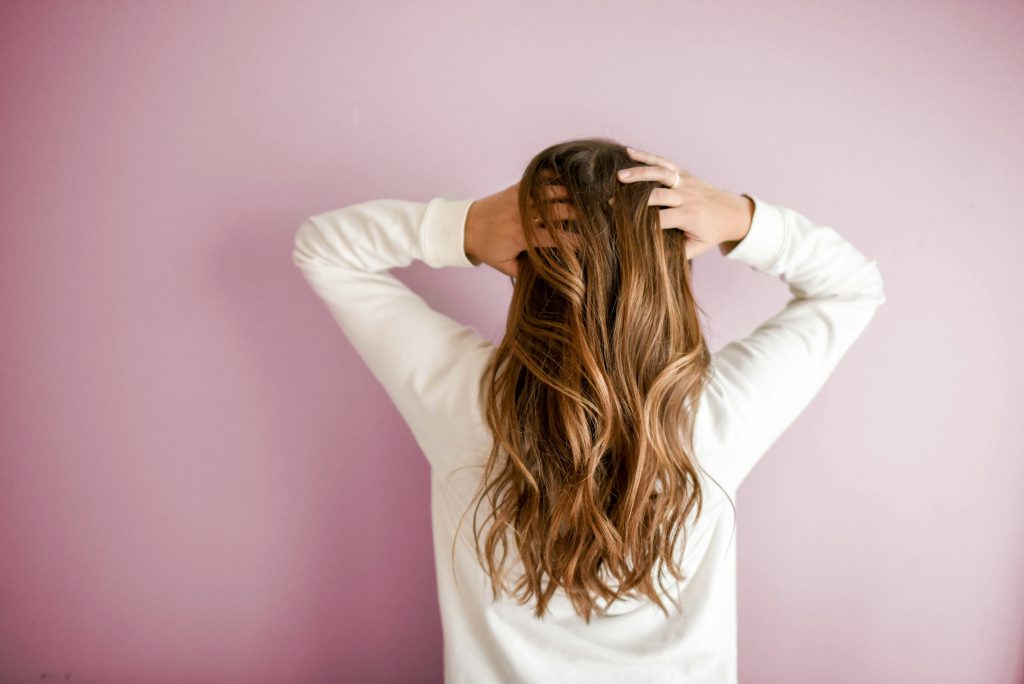
Since exposure to gluten has been linked to Alopecia Areata and Hashimoto’s thyroiditis, the relationship between eating gluten and hair loss becomes clearer. Both conditions can trigger something called Telogen Effluvium where a large number of hair follicles enter the resting phase. This can cause sudden and noticeable hair shedding. The good news is that when you address the underlying root causes, this can resolve on its own and new hair can grow back. Let’s dive deeper into gluten to better understand this relationship.
Gluten, a protein found in wheat, rye, and barley, has a similar molecular structure to thyroid tissue. Therefore, in susceptible individuals, gluten consumption can trigger an attack on the thyroid gland which inspires an immune attack on your follicles. This systemic inflammation subsequently causes increased intestinal permeability, a.k.a “leaky gut”, that leaves the body malnourished and nutrient deficient. Your body requires B vitamins, zinc, iron, vitamins A, C, D, and E to grow hair properly. When someone has leaky gut, endotoxins like lipopolysaccharides can enter the bloodstream and nutrients are poorly absorbed. Simply put, your body lets the toxins in and has trouble letting the beneficial nutrients in. The answer is not steroids or growth treatments, it’s a gluten-free diet!
While there is no cure for Celiac disease, there is hope for those who are struggling with symptoms, including hair loss. This means there is a possibility of healing your leaky gut and the sequelae of issues stemming from it. Refraining from gluten is a given, and fortunately that is easier to do than ever before. However, there are many hidden sources of gluten in our food supply and finding food that contains less than 20 parts per million (ppm) of gluten can be tricky. Keep your eyes open and read labels. When in doubt, ask a gluten-free friendly resource like The UltraWellness Center! Additionally, targeted vitamin/mineral supplementation, a quality pre + probiotic, proper immune support and collagen are all important. Also, practicing yoga, breathing exercises, properly hydrating, and scalp massage are easy (and free!) and benefit your mental, gut, and hair health.
Another consideration is hair care products that suppress dihydrotesterone (DHT) while stimulating the follicles. DHT is a steroid and hormone made naturally in the body that increases with stress and can attack the hair follicle, thus exacerbating hair loss. Addressing this is vital, as it is a primary culprit for many types of hair loss.
Clinical studies show no long-term benefit of topical steroids such as Minoxidil or Rogaine. This is important to note because there are numerous studies to show that benefits of these harsh topicals do not outweigh the risks and side effects such as chest pain, irregular heart rate, and fainting, just to name a few.
Ultimately, to address gluten-related hair loss, you must address the root cause. Avoiding gluten is a must, but healing goes deeper. Focusing on gut health, replenishing key nutrients, and choosing specific hair/body care products are essential paths to follow on your wellness journey. Topical steroids may treat the symptom but will not address the underlying issue. Remember, healing happens from the inside out. When you remove the problems and add in the correct support, hair regrowth can happen naturally. Healing is possible, you just need the right approach, and that is what we offer at The UltraWellness Center.