
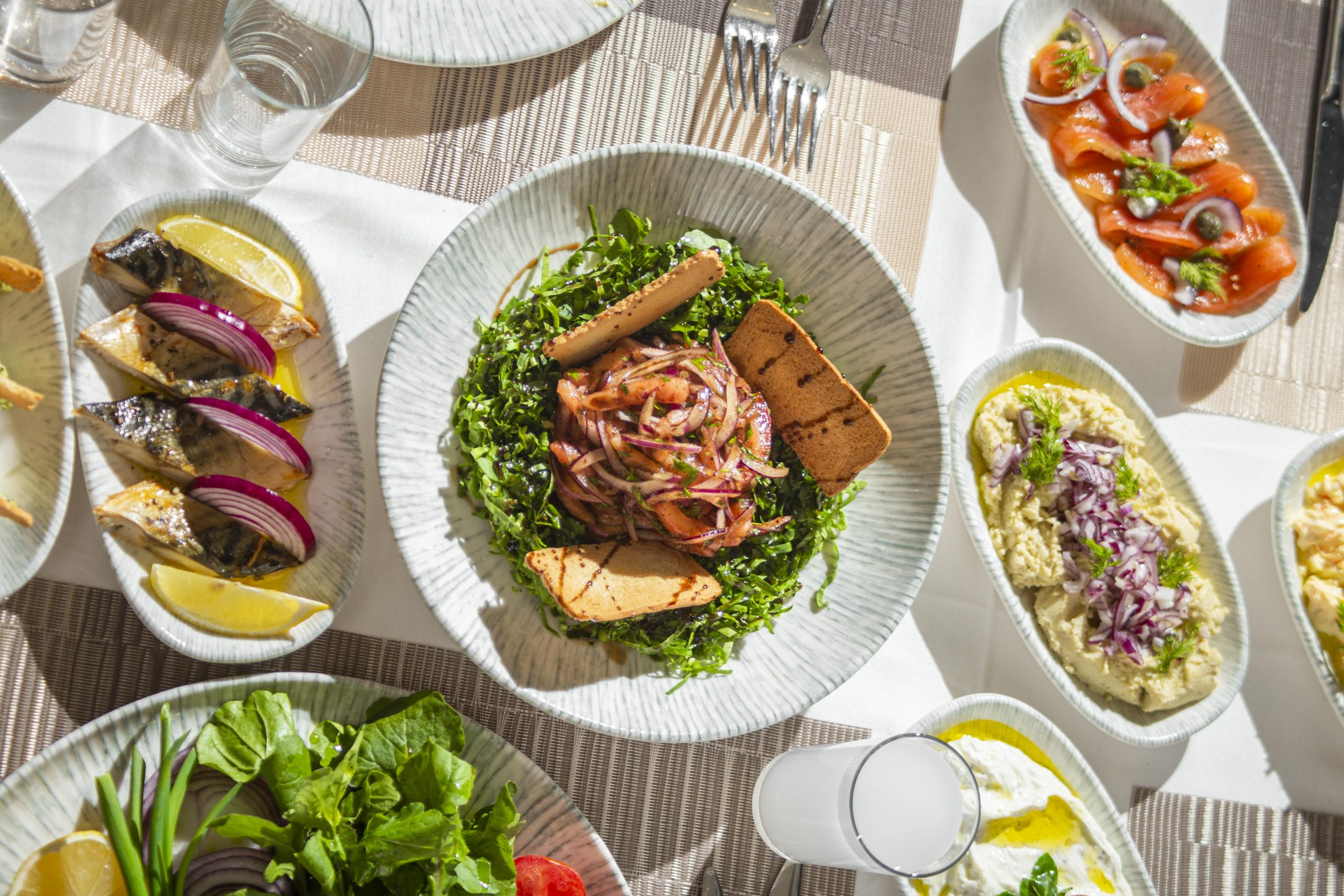
When preparing for pregnancy, what you eat lays the foundation for reproductive health, regardless of whether you’re conceiving naturally or with fertility support. Studies consistently show that certain eating patterns can help support hormone signaling, reduce inflammation, and improve both egg and sperm quality. The Mediterranean diet stands out as one of the most well-researched and effective approaches for women and men alike.
Rather than restrictive, the Mediterranean diet is a flexible, whole-food approach that nourishes fertility, supports a healthy pregnancy, and promotes long-term wellness for both partners.
Can the Mediterranean Diet Support Fertility?
Multiple studies show that following a Mediterranean-style diet (MedDiet) is associated with improved fertility outcomes in both women and men. This dietary pattern has been linked to improved ovulation, semen quality, insulin sensitivity, and antioxidant defenses—key drivers of reproductive health.
From a functional medicine perspective, the MedDiet supports fertility through several mechanisms:
Reduces inflammation, which can interfere with ovulation and implantation
Balances blood sugar, improving insulin sensitivity and hormone signaling
Protects egg and sperm DNA from oxidative stress
Supports healthy estrogen metabolism through gut and liver support
May support mitochondrial function, critical for egg and sperm energy production
Research also shows it is also associated with reduced risk of pregnancy complications including gestational diabetes, pregnancy-induced high blood pressure/preeclampsia, preterm delivery, and having small-for-gestational-age babies.
What is the Mediterranean Diet?
The MedDiet reflects the traditional eating patterns of countries bordering the Mediterranean Sea and is defined by the following core principles:
• High intake of vegetables, fruits, legumes, herbs, and spices
• Extra virgin olive oil as the primary fat source
• Regular consumption of nuts, seeds, and olives
• Fish and seafood at least twice per week
• Moderate intake of eggs and fermented dairy, especially sheep and goat milk products if tolerated
• Whole, intact grains in appropriate portions
• Minimal intake of sweets and ultra-processed foods
Mediterranean Diet and Egg Quality
Egg quality is strongly influenced by nutrition and lifestyle. While it’s true that egg quantity naturally declines with age, age alone is not the sole determinant of fertility. Many people are having healthy pregnancies later in life, partly because we now better understand how diet, metabolism, and overall lifestyle can support egg health.
A central aspect of egg health and aging is mitochondrial function. Mitochondria are the energy “powerhouses” of the cell. Women’s eggs are uniquely rich in mitochondria, and they are essential for:
• Oocyte maturation
• Cell division
• Early embryo development
• Supporting steroid hormone synthesis
• Regulating oxidative stress
Supporting mitochondria by following a MedDiet along with the following lifestyle factors—especially in the months leading up to conception—may be key to slowing the aging process of eggs and preserving ovarian function:
• Managing stress
• Prioritizing quality sleep
• Maintaining a healthy body weight
• Avoiding alcohol and recreational drugs
• Staying physically active without overtraining
• Reducing environmental toxin exposure
Research also shows that women following a MedDiet before fertility treatment experienced significantly higher pregnancy and live birth rates compared to women consuming highly processed diets. Antioxidants, omega-3 fats, and stable blood sugar levels play a key role in protecting developing eggs from oxidative damage.
Mediterranean Diet and Sperm Quality
Male factors contribute to infertility in up to 50% of cases, making nutrition and lifestyle equally important for men. Sperm are continuously produced throughout life, but they are highly vulnerable to oxidative stress, inflammation, and metabolic imbalances, all of which can impair sperm quality and function.
Emerging research shows that diet and lifestyle can support mitochondrial health in sperm, which is critical because mitochondria provide the energy required for sperm motility, maturation, and fertilization potential.
Men who follow a MedDiet have been shown to have:
• Higher sperm concentration/total count, and motility
• Improved sperm motility
• Lower markers of oxidative stress and inflammation
These benefits are strongly associated with increased intake of omega-3 fatty acids, antioxidants (vitamins C and E, selenium, zinc, polyphenols), and anti-inflammatory nutrients, as well as maintaining blood sugar balance, healthy body weight, and overall metabolic health.
Lifestyle factors—managing stress, prioritizing quality sleep, limiting alcohol and recreational drugs, staying physically active without overtraining, and reducing exposure to environmental toxins—also play a significant role in protecting sperm from oxidative damage and supporting reproductive potential.
Overall, just as women can support egg quality through diet and lifestyle, men can improve sperm function and reproductive outcomes by focusing on diet and lifestyle habits.
When to Start the Mediterranean Diet for Fertility
Because sperm take approximately 2–3 months to develop and eggs require 3–4 months to mature, it’s recommended to follow a MedDiet eating pattern for at least three months prior to conception. For optimal results, both partners should adopt this approach together.
Benefits Beyond Fertility
In addition to supporting reproductive health, the MedDiet is associated with reduced risk of:
• Cardiovascular disease
• Type 2 diabetes and insulin resistance
• Cognitive decline and dementia
• Depression and anxiety
• Certain cancers (especially colorectal, breast, and prostate)
• Nonalcoholic fatty liver disease
• Frailty and age-related functional decline
• All-cause mortality
This makes the diet an optimal long-term, sustainable approach to health throughout life for many people, not just a fertility intervention.
The Mediterranean Lifestyle
The Mediterranean approach extends beyond food which help support nervous system balance and can further enhance fertility outcomes. This is because research suggests that chronic stress can disrupt the hypothalamic–pituitary–ovarian (HPO) axis, impair ovulation, and alter sex hormone signaling. Practices that are central to the Mediterranean lifestyle such as regular movement, shared meals, and strong social connections help regulate cortisol, improve insulin sensitivity, and create a more favorable hormonal environment for conception. Together, these factors reinforce the body’s ability to support reproductive health in a sustainable way.
The UltraWellness Center’s Personalized Approach
At the UltraWellness Center, we don’t believe in one-size-fits-all nutrition, even when the research is strong. The Mediterranean diet provides a powerful, evidence-based foundation for fertility, but true optimization happens when that foundation is personalized. Our team integrates advanced lab testing, detailed health history, and takes time to understand your unique fertility journey and goals to create a plan that supports your whole body, not just your reproductive system. For some, this means fine-tuning blood sugar regulation; for others, addressing gut health, inflammation, or key nutrient insufficiencies. By combining the science with individualized care, we help create the most supportive internal environment for fertility and long-term health.
References:
Agarwal R, Salas-Salvadó J, Davila-Cordova E, Shyam S, Fernández de la Puente M, Pérez AzurmendiM, Babio N, Salas-Huétos A. Mediterranean diet, semen quality, and medically assisted reproductive outcomes in the male population: a systematic review and meta-analysis. Advances in Nutrition. 2025;16(8):100454. doi:10.1016/j.advnut.2025.100454
Billingsley HE, Carbone S. The antioxidant potential of the Mediterranean diet in patients at high cardiovascular risk: an in-depth review of the PREDIMED study. Nutrition & Diabetes. 2018;8(1):13. doi:10.1038/s41387-018-0025-1
Hu Y, Wang W, Ma W, Wang W, Ren W, Wang S, Fu F, Li Y. Impact of psychological stress on ovarian function: insights, mechanisms and intervention strategies. International Journal of Molecular Medicine. 2025;55(2):34. doi:10.3892/ijmm.2024.5475
Jurczewska J, Szostak-Węgierek D. The influence of diet on ovulation disorders in women—a narrative review. Nutrients. 2022;14(8):1556. doi:10.3390/nu14081556
Karayiannis D, Kontogianni MD, Mendorou C, Mastrominas M, Yiannakouris N. Adherence to the Mediterranean diet and IVF success rate among non-obese women attempting fertility. HumanReproduction. 2018;33(3):494-502. doi:10.1093/humrep/dey003
Leslie SW, Soon-Sutton TL, Khan MAB. Male infertility. In: StatPearls [Internet]. Treasure Island (FL): StatPearls Publishing; 2025 Jan. Accessed January 5, 2026. https://www.ncbi.nlm.nih.gov/books/NBK562258/
Muffone ARM, de Oliveira Lübke PDP, Rabito EI. Mediterranean diet and infertility: a systematic review with meta-analysis of cohort studies. Nutrition Reviews. 2022;80(10):nuac087. doi:10.1093/nutrit/nuac087
Sehrawat N, Sharma U, Yadav M, Sharma V, Dey A, Emran TB, Sharma AK, Dhama K. Dietary patterns and fertility status in men: Mediterranean diet does make a difference in ameliorating the rise in male infertility problems due to changing lifestyle. International Journal of Surgery. 2023;109:564-567. doi:10.1097/JS9.0000000000000158
Silvestri A, Santonastaso M, Jannini EA, Lenzi A, Lombardo F. Nutrition and male fertility: the role of Mediterranean-style diet on sperm quality. Archives of Andrology. 2023;69(4):1-10. doi:10.1016/j.androl.2023.04.006
Sood S, Feehan J, Itsiopoulos C, Wilson K, Plebanski M, Scott D, et al. Higher adherence to a Mediterranean diet is associated with improved insulin sensitivity and selected markers of inflammation in individuals who are overweight and obese without diabetes. Nutrients. 2022;14(20):4437. doi:10.3390/nu14204437