
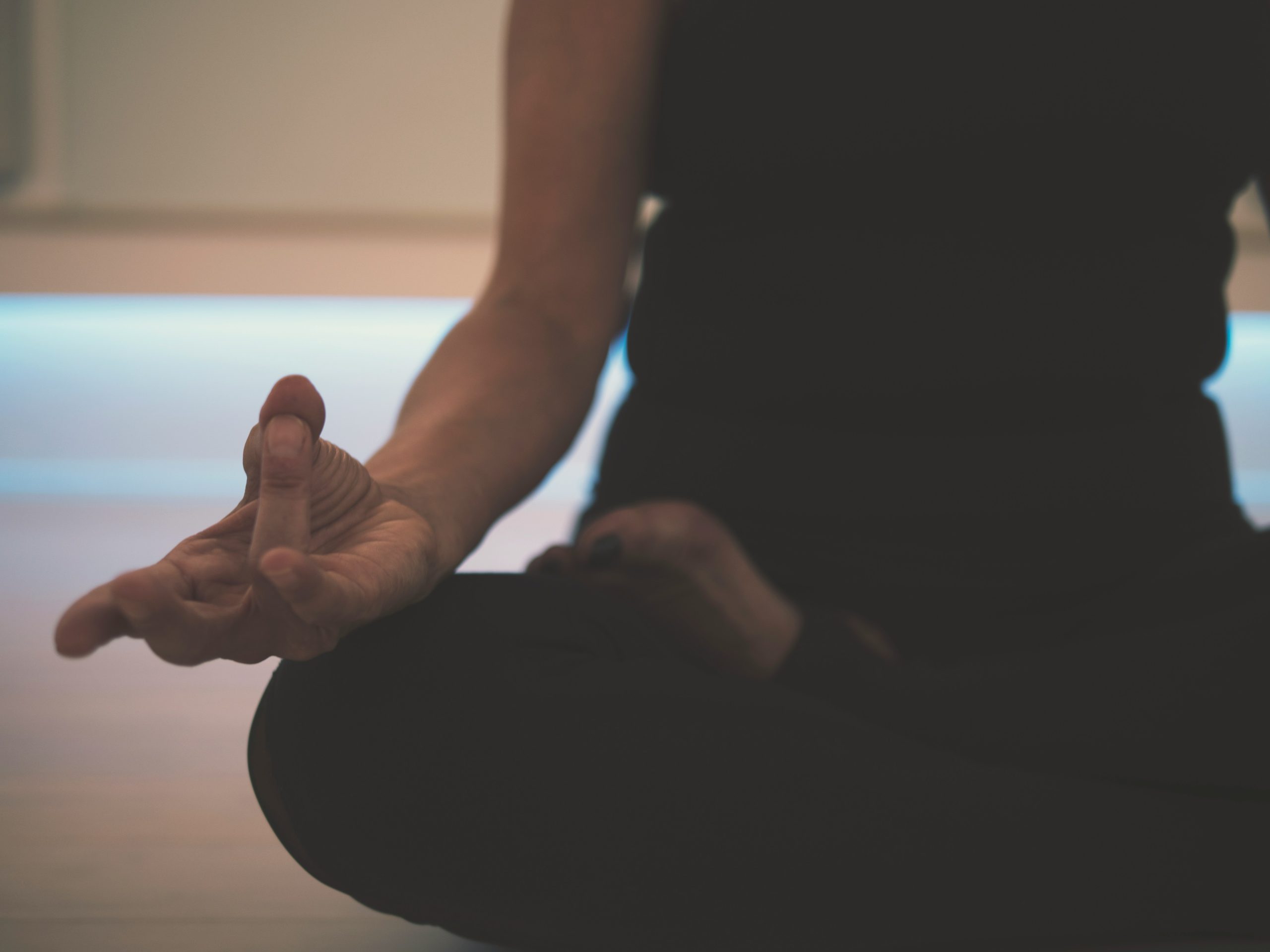
What comes to mind when you hear these three simple words: sit, quiet, breathe?
Take a moment and really consider it. Does the idea of sitting alone with yourself sound inviting—like a cozy cup of tea—or more like an awkward visit from a distant relative you hardly know? I’ll admit it: I’ve often described myself as meditation phobic. That might raise an eyebrow, especially since I’m a Health Coach. For a long time, I convinced myself that my quiet walks or solo runs were my meditation.
Spoiler alert: they’re wonderful, but they’re not quite the same thing.
🧘♀️ Meditation: A Daily Reset for Your Nervous System
In today’s fast-paced world, your body and brain are constantly processing stress. Meditation is a powerful, science-backed tool that helps calm your nervous system, boost emotional resilience, and support healing—from the inside out.
Why Meditation Works
At the heart of this is the vagus nerve, your body’s natural “reset button.” It plays a key role in your autonomic nervous system, helping you shift from a reactive “fight or flight” state into a calm, restorative “rest and digest” mode. Breathing and meditation stimulate the vagus nerve, sending a signal to your body that it’s safe to slow down, heal, and restore balance.
💡 The Science in Simple Terms
Researchers like Dr. Stephen Porges (Polyvagal Theory) have shown how your nervous system shifts between stress and calm. The more we strengthen the self-regulating parts of this system, the more resilient, present, and connected we feel. The good news is that meditation strengthens this system every time you practice.
Others like Richard Gevirtz who is a leader in heart rate variability (HRV) biofeedback, show that breathing techniques can modulate vagal tone and improve autonomic regulation. His research supports using breathing & biofeedback for stress-related disorders, that enhance vagus nerve function and parasympathetic response.
Barbara Fredrickson developed a broaden-and-build theory suggesting that positive emotions expand awareness and build resilience. Her research found a correlation between positive emotional states and higher vagal tone, particularly through practices like loving kindness and meditation. She helped validate the emotion-vagal tone connection, showing that cultivating joy, gratitude, and love supports physical and emotional well-being.
All this is fantastic information and quite literally can be life changing. How you may ask?
🧠 You Can Activate Calm with just your breath!
- Practice slow belly breathing — inhale for 4 seconds, exhale for 6 to 8.
- Try box breathing — inhale 4, hold 4, exhale 4, hold 4.
These simple practices move your diaphragm, stimulate the vagus nerve, and bring your body into balance.
You can Activate Calm with Meditation:
- Mindfulness or loving-kindness meditation cultivates emotional calm and reduces stress.
- Humming, chanting, or prayer uses sound and vibration to activate the vagus nerve.
- Stillness and reflection, even for a few minutes can rewire and change your stress response and promote inner peace. Simply put it introduces a state of being that is calmer, less hurried and relaxed.
🌟 Real Benefits You’ll Feel
It is no joke that regular meditation helps:
- Lower anxiety, depression, and blood pressure
- Improve sleep, focus, and digestion
- Boost your immune system and emotional regulation
It’s not just for monks—it’s for anyone who wants to feel more present, more in control, and more at peace. I will admittedly say I need to learn this, but I’m a learner and I know this is a process, that can be introduced into my busy life. The pace will never slow down, but I can control how I respond to that pace by introducing a simple time efficient practice that makes the frenetic slow down.