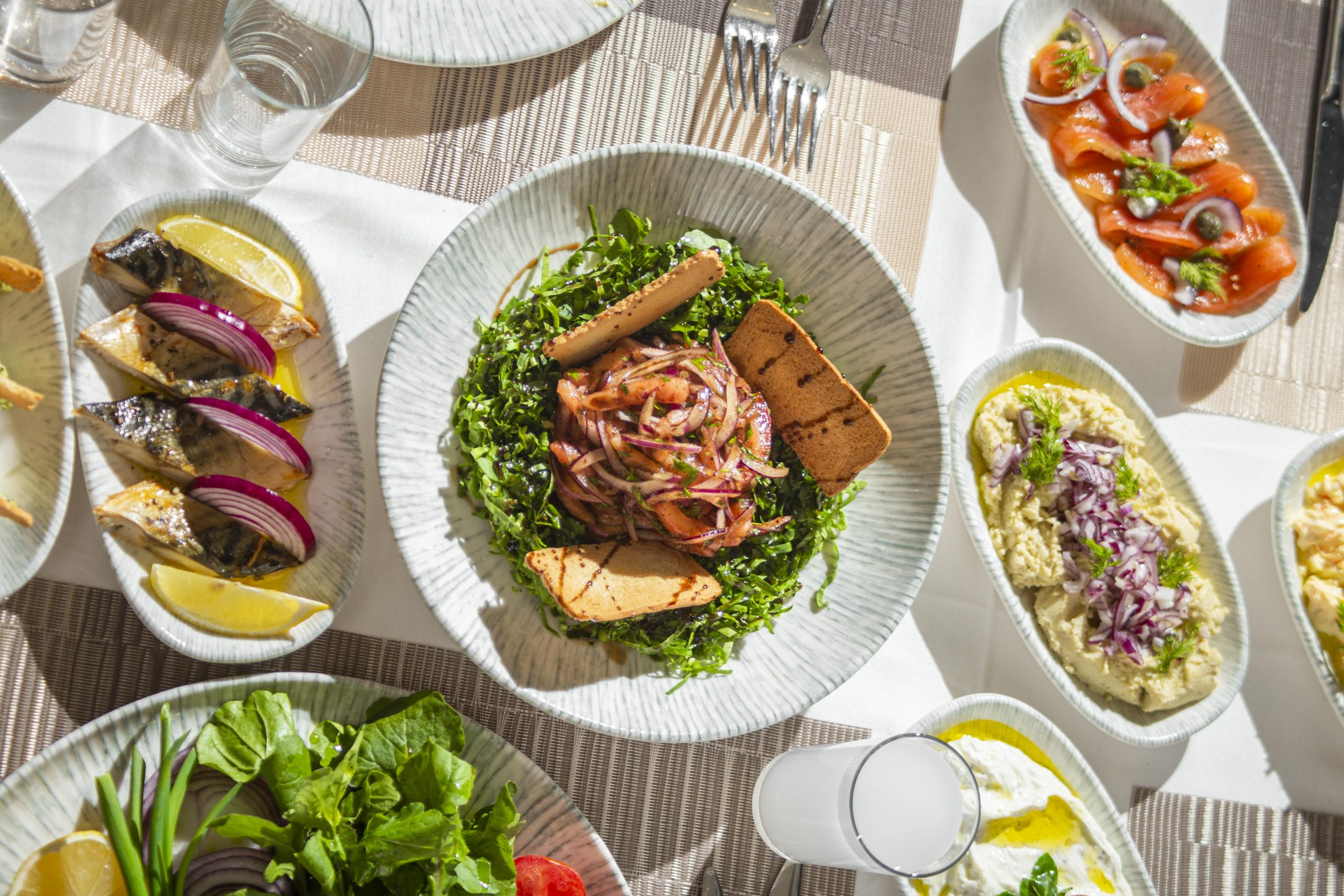

The holidays are coming — a time to gather, connect, and enjoy good food. As I start planning menus filled with my kids’ favorite dishes, I’m reminded that food is so much more than fuel. It’s comfort, tradition, and the thread that ties our stories together. Each recipe holds a memory — the soup that comforts on chilly evenings, the salad that won over the skeptic, and the dessert that fills the room with laughter and joy. In every bite, there’s love, familiarity, and a sense of belonging. Preparing these meals feels like welcoming everyone home again, no matter how far they’ve traveled or how much time has passed.
Now that my kids are grown, their visits home feel especially meaningful. The kitchen becomes our common ground, filled with the comforting aroma of roasting vegetables and meat, seasoned with herbs and garlic. I like to cook with what’s fresh and local — turning root vegetables into colorful trays of flavor or tossing cold-tolerant greens and roots with herbs into savory salads. My youngest bakes, my oldest kneads bread, and everyone else finds a way to join in.
There’s an easy rhythm that happens when we cook together — the tasting, the checking, the stirring. Someone adjusts the seasoning, another stirs the pot, someone else wipes the counter or sets the table. It’s unspoken teamwork, a kind of quiet choreography that connects us as much as the meal itself. In these moments, cooking becomes less about perfection and more about connection — a shared act of care that nourishes long before we ever sit down to eat.
The Meaning of Food
What and how we eat are deeply personal, shaped by family, culture, and tradition. Food is often woven into our identity — the recipes passed down through generations, the smells that remind us of home, the rituals that mark celebration or comfort. Holiday meals, in particular, carry layers of emotion and nostalgia. They represent connection, belonging, and continuity — the flavors that tie us to our roots and to each other.
Yet these traditions sometimes collide with the messages of modern nutrition — eat less sugar, more fiber, fewer carbs, more plants. It can feel like we’re standing at the crossroads of enjoyment and restraint, torn between the comfort of familiar dishes and the pressure to make healthy choices. But food doesn’t have to be an either/or equation. It can be both joyful and nourishing.
We can honor family recipes while adding more color to the plate — pairing heritage with health. Celebration and self-care can live side by side when we eat with awareness, not guilt.
At the same time, it’s worth remembering that celebratory foods are special because they aren’t everyday foods. If we indulged in them daily, they would lose their meaning — the excitement, the nostalgia, the sense of occasion. The joy of celebration comes from contrast, from those rare moments when flavors, memories, and people come together. Food nourishes not just the body, but also our sense of connection and joy — especially when we allow it to hold its rightful place as something to savor, not to overdo.
A Moment to Pause
As you sit down to eat this season, take a moment to pause. Notice the colors on your plate, the aromas in the air, and the care that went into preparing the meal. Appreciate the hands and hearts that made it possible. Let each bite remind you that nourishment isn’t just about what’s on your plate — it’s about being present, grateful, and connected.
Balance doesn’t come from strict control; it comes from awareness. So take a breath, slow down, and come home — to your table, your body, and this moment.