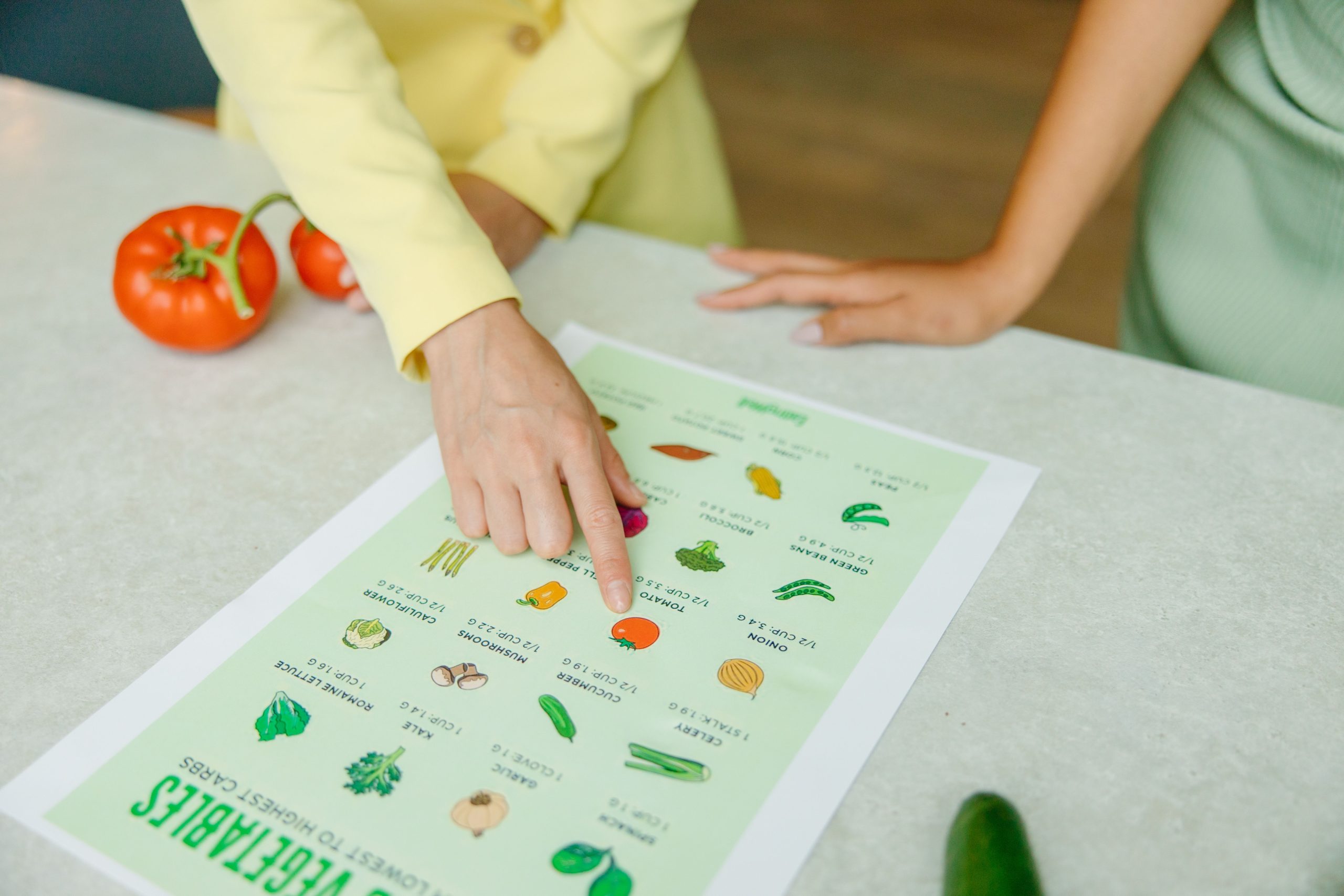
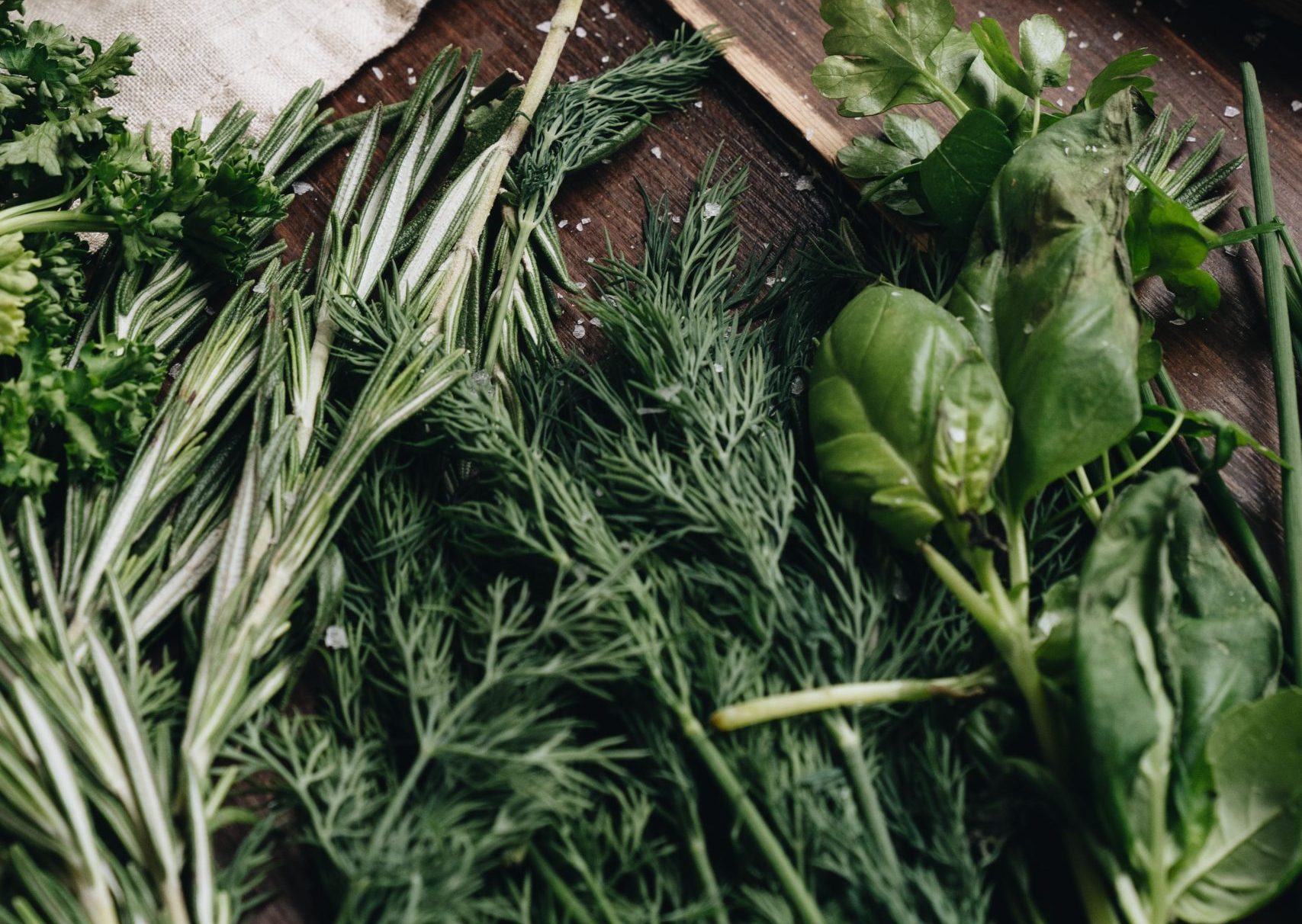
Every year, I count the days until I can once again step outside my kitchen door and snip fresh herbs to add to whatever I’m cooking. The first signs of chives pushing through the soil each spring feel like a small celebration, and I have to resist the urge to harvest them too soon. By summer, it becomes second nature—a handful of basil for a tomato salad, a few sprigs of mint tucked into sparkling water, minced chives and their flowers sprinkled over a garden scramble, oregano tossed into a salad of local romaine, or cilantro scattered over whatever is coming off the grill.
These small rituals feel instinctive, and in many ways, they are. For generations, culinary herbs have played a central role in traditional food cultures—not only for the flavor they bring to meals, but also for their ability to support health and vitality. Today, modern science is helping us understand why. Herbs such as oregano, basil, parsley, thyme, and mint are rich in polyphenols and other plant compounds with antioxidant, anti-inflammatory, and antimicrobial properties. As they find their way into salads, seasonal vegetables, and whatever happens to be on the grill, they do far more than elevate flavor. They serve as a reminder that some of the most powerful forms of nourishment don’t come from a supplement bottle or a complicated wellness plan, but from simple, everyday ingredients enjoyed as part of a life well lived.
Summer also offers an invitation to slow down. To linger a little longer over meals, eat outside whenever possible, gather around a table with family and friends, and savor the extended daylight that seems to stretch the day. Of course, many of us are balancing work deadlines, family commitments, and the full schedules that often accompany this season. Not every meal is leisurely. Yet even on the busiest days, a handful of fresh herbs can transform a routine dinner into something that feels a little more special. A scattering of basil, parsley, or oregano adds brightness, flavor, and a connection to the season that reminds us to pause, if only for a moment. And even when life doesn’t allow for long evenings around the table, fresh herbs have a way of bringing the flavors and spirit of summer into everyday meals, reminding us that nourishment can be both simple and joyful.
Here’s a closer look at five summer herbs worth knowing deeply.
Basil: The Anti-Inflammatory All-Star
Basil is far more than a pizza topping. It contains a rich array of bioactive compounds—including phenolic acids, flavonoids, tannins, and essential oils—with documented antioxidant, anti-inflammatory, antimicrobial, antidiabetic, and cardioprotective properties. Rich in the polyphenol rosmarinic acid basil provides potent antioxidant protection by helping neutralize free radicals before they can damage cells and DNA.
What makes basil particularly interesting from a functional nutrition standpoint is that emerging research suggests it may support both metabolic and neurological health. Human and experimental studies indicate basil may help support healthy blood sugar regulation and cholesterol metabolism, while laboratory studies demonstrate antimicrobial activity that may contribute to a healthier intestinal environment. Emerging evidence also suggests basil may support mental well-being. In one randomized placebo-controlled clinical trial, basil syrup reduced anxiety symptoms in people receiving treatment for major depressive disorder. Experimental research suggests these effects may be related to basil’s influence on GABAergic signaling, oxidative stress, and other neuroprotective pathways, although additional human studies are needed.
How to use it: Don’t limit basil to Italian food. Tear it over sliced tomatoes and cucumber with good olive oil and sea salt. Blend it into a green smoothie with spinach, banana, and coconut water. Make a simple basil oil by blending leaves with extra virgin olive oil and drizzling over grilled fish or roasted vegetables. Or keep it classic — fresh pesto with garlic, pine nuts or walnuts, lemon, and olive oil is one of the most nutrient-dense condiments you can make.
Mint: Cool, Calming, and Surprisingly Rich
Mint feels refreshing for good reason — menthol, its primary active compound, activates cold-sensing receptors and has a genuinely calming effect on smooth muscle in the GI tract. But mint’s benefits go well beyond digestion. Mint contains high levels of antioxidants and vitamins A, C, and B-complex, and has anti-inflammatory properties with evidence supporting its role in improving irritable bowel symptoms.
From a polyphenol standpoint, mint is particularly rich in rosmarinic acid and also contains luteolin, two naturally occurring plant compounds that contribute to mint’s antioxidant and anti-inflammatory properties
How to use it: Add mint generously to fruit salads — it transforms a bowl of watermelon into something special. Muddle it into sparkling water with cucumber and lime for an anti-inflammatory mocktail. Stir chopped mint into Greek yogurt with garlic and lemon for a quick tzatziki. Or make a cold mint tea by steeping fresh leaves in room-temperature water overnight and serving over ice.
Oregano: Small Herb, Enormous Antioxidant Power
Oregano is routinely underestimated. Most people think of it as the dried herb sprinkled on pizza, but fresh oregano is one of the richest culinary sources of polyphenols. It contains abundant phenolic acids and flavonoids—including rosmarinic acid, luteolin, and quercetin—that contribute to its remarkable antioxidant, anti-inflammatory, and antimicrobial properties.
Its signature compounds—carvacrol and thymol—have been extensively studied for their broad antimicrobial activity against a variety of bacteria and fungi. Beyond these compounds, oregano contains a diverse array of polyphenols that contribute to its antioxidant and anti-inflammatory properties. Together, these naturally occurring plant compounds help explain why oregano is considered one of the most biologically active culinary herbs and why it has been valued in traditional cuisines and herbal medicine for centuries.
How to use it: Fresh oregano has a brighter, more delicate flavor than its dried counterpart, so don’t be shy about using it generously. Add whole sprigs to the roasting pan with chicken, lamb, fish, or vegetables. Finely chop the leaves and stir them into vinaigrettes, marinades, pesto, or chimichurri. Sprinkle fresh oregano over bean dishes, lentil soups, or grain bowls just before serving to preserve its vibrant flavor. It’s also delicious tossed into a simple salad with romaine, cucumber, tomatoes, and a little goat cheese or feta. While a tablespoon of fresh oregano may seem modest, incorporating herbs like oregano into your meals regularly is an easy way to increase your intake of beneficial polyphenols as part of an overall healthy dietary pattern.
Cilantro: The Detoxifier
Cilantro is polarizing — you either love it or you have the genetic variant that makes it taste like soap (true story: a variation in olfactory receptor genes determines how you perceive its aldehyde compounds). But if you’re a cilantro lover, you have access to one of the most uniquely therapeutic herbs in the summer garden.
Cilantro has documented antiseptic, antifungal, antioxidant, and antibacterial properties, and has demonstrated an ability to support the body’s removal of toxic heavy metals — a property that sets it apart from most other culinary herbs. Rich in polyphenols such as quercetin and kaempferol, cilantro has been studied for its antioxidant and anti-inflammatory properties. It’s also an excellent source of vitamins K, A, and C, as well as iron and magnesium.
How to use it: Blend it with lime juice, garlic, jalapeño, and olive oil for a vibrant herb sauce that goes on everything from eggs to grilled shrimp. Stir it generously into grain bowls, coconut curries, and fish tacos. The key with cilantro is to use it in real quantity, not just as a garnish.
Parsley: The Unsung Nutritional Powerhouse
Parsley is chronically underused — treated as a garnish when it deserves to be the main event. Nutritionally, it punches well above its weight. Parsley is an excellent source of vitamins K and C — vitamin K supporting blood clotting and bone health, and vitamin C boosting immune function and collagen synthesis.
Its key bioactive compound is apigenin, a flavonoid with notable anti-inflammatory, antioxidant, and emerging anti-cancer properties.. In animal studies, apigenin has been shown to inhibit nuclear factor kappa B (NF-κB), a key cellular signaling pathway that acts as one of the body’s master regulators of inflammation. By calming this pathway, apigenin may help reduce the production of inflammatory cytokines—the chemical messengers that promote inflammation throughout the body. Emerging research also suggests that apigenin supports healthy estrogen metabolism, making parsley particularly relevant for women’s hormonal health.
How to use it: Make tabbouleh — traditionally made with far more parsley than grain, it’s one of the most nutrient-dense salads in existence. Blend it into hummus or white bean dip. Add a full handful to grain bowls and roasted vegetable dishes right before serving. Or make a simple parsley sauce with olive oil, garlic, lemon, and red wine vinegar that keeps in the fridge all week.
The Big Picture
What these herbs share is remarkable: beneath their vibrant flavors lies an impressive array of plant compounds that help support the body’s natural defenses against inflammation and oxidative stress. It’s one reason fresh herbs have been a cornerstone of traditional food cultures for generations, long before science could explain their benefits.
The beauty is in their simplicity. No supplements, tracking apps, or complicated routines required. Just a handful of fresh herbs added generously to meals throughout the season. A sprinkle of parsley, a few leaves of basil, a scattering of oregano or mint—small additions that bring both flavor and nourishment to the table. This summer, let your herb garden become an invitation to eat well, savor the season, and enjoy the simple connection between good food and good health.
References
- Gupta, S., et al. Herbs and spices: sources of antioxidants and bioactive compounds with health benefits. Molecules. 2023. https://pmc.ncbi.nlm.nih.gov/articles/PMC10379050/
- Yashin, A., et al. Culinary Herbs and Spices: Their Bioactive Properties, the Contribution of Polyphenols and the Challenges in Deducing Their True Health Benefits. Antioxidants (Basel). 2017; 6(3):53. https://doi.org/10.3390/antiox6030053.
- Kamelnia, E., et al. Anti-inflammatory, immunomodulatory and anti-oxidant effects of Ocimum basilicum L. and its main constituents: A review. Iranian Journal of Basic Medical Sciences. 2023. https://doi.org/10.22038/IJBMS.2023.67466.14783.
- Shahrajabian, M., et al. Basil (Ocimum basilicum) and its bioactive compounds: Food, medicinal uses and health benefits. Foods. 2022; 11(20):3212. https://doi.org/10.3390/foods11203212.
- Role of Ocimum basilicum in the Management of Diabetes and Cardiovascular Diseases—A Systematic Review. 2025. https://www.researchgate.net/publication/390532748_Role_of_Ocimum_basilicum_in_the_Management_of_Diabetes_and_Cardiovascular_Diseases_-A_Systematic_Review.
- Talaei, M., et al. Basil (Ocimum basilicum) to Alleviate Anxiety in Patients With Major Depressive Disorder: A Randomized Placebo-Controlled Clinical Trial. Brain and Behavior. 2025. https://doi.org/10.1002/brb3.70994.
- Knowlton, W.M., & McKemy, D.D. TRPM8: from cold to cancer, peppermint to pain. Current Pharmaceutical Biotechnology. 2011; 12(1):68-77. https://www.ncbi.nlm.nih.gov/books/NBK5238/
- Khanna, R., et al. Peppermint oil for the treatment of irritable bowel syndrome: a systematic review and meta-analysis. Journal of Clinical Gastroenterology. 2014. https://pubmed.ncbi.nlm.nih.gov/26319955/.
- McKay, D.L., & Blumberg, J.B. A review of the bioactivity and potential health benefits of peppermint tea (Mentha piperita L.). Phytotherapy Research. 2018. https://pmc.ncbi.nlm.nih.gov/articles/PMC6161068/.
- Nurzyńska-Wierdak, R., & Walasek-Janusz, M. Chemical Composition, Biological Activity, and Potential Uses of Oregano (Origanum vulgare L.) and Oregano Essential Oil. Pharmaceuticals (Basel). 2025; 18(2):267. https://doi.org/10.3390/ph18020267. (PubMed)
- Soltani, S., Shakeri, A., Iranshahi, M., & Boozari, M. A Review of the Phytochemistry and Antimicrobial Properties of Origanum vulgare L. and Subspecies. Iranian Journal of Pharmaceutical Research. 2021; 20(2):268-285. https://doi.org/10.22037/IJPR.2020.113874.14539. (PubMed)
- Journal of Evidence-Based Integrative Medicine. Herbal Medicine for Heavy Metal Detoxification: A Review. Journal of Evidence-Based Integrative Medicine. 2024. https://doi.org/10.1177/1934578X241312791.
- Mehrandish, Reza & Rahimian, Aliasghar & Shahriary, Alireza. (2019). Heavy metals detoxification: A review of herbal compounds for chelation therapy in heavy metals toxicity. Journal of Herbmed Pharmacology. 8. 69-77. 10.15171/jhp.2019.12 https://www.researchgate.net/publication/332560975_Heavy_metals_detoxification_A_review_of_herbal_compounds_for_chelation_therapy_in_heavy_metals_toxicity.
- Salehi, B., et al. Rosemary (Rosmarinus officinalis L.): A Review of Phytochemistry, Therapeutic Potential, and Health Benefits. Biomolecules. 2019. https://pmc.ncbi.nlm.nih.gov/articles/PMC6472148/
- Punoševac, M., Radović, J., Leković, A., & Kundaković-Vasović, T. A review of botanical characteristics, chemical composition, pharmacological activity and use of parsley. Arhiv za farmaciju. 2021; 71(3):177-196. https://doi.org/10.5937/arhfarm71-30800https://dicasdadraanamaria.com/artigos/salsinha02.pdf
- Shankar, E., Kanwal, R., Candamo, M., & Gupta, S. Plant Flavone Apigenin: An Emerging Anticancer Agent. Current Pharmacology Reports. 2017; 3:423-446. https://pmc.ncbi.nlm.nih.gov/articles/PMC5791748/
- Gupta, S., Afaq, F., & Mukhtar, H. Involvement of nuclear factor-kappa B, Bax and Bcl-2 in induction of cell cycle arrest and apoptosis by apigenin in human prostate carcinoma cells. Oncogene. 2002; 21(23):3727-3738. https://doi.org/10.1038/sj.onc.1205474
- Kennedy, D.O., et al. Modulation of Mood and Cognitive Performance Following Acute Administration of Culinary Herbs and Spices. Journal of Psychopharmacology. 2016. https://pubmed.ncbi.nlm.nih.gov/26938530/
- McKay, D.L., & Blumberg, J.B. A Review of the Bioactivity and Potential Health Benefits of Peppermint Tea (Mentha piperita L.). Phytotherapy Research. 2019. https://pubmed.ncbi.nlm.nih.gov/30875872/