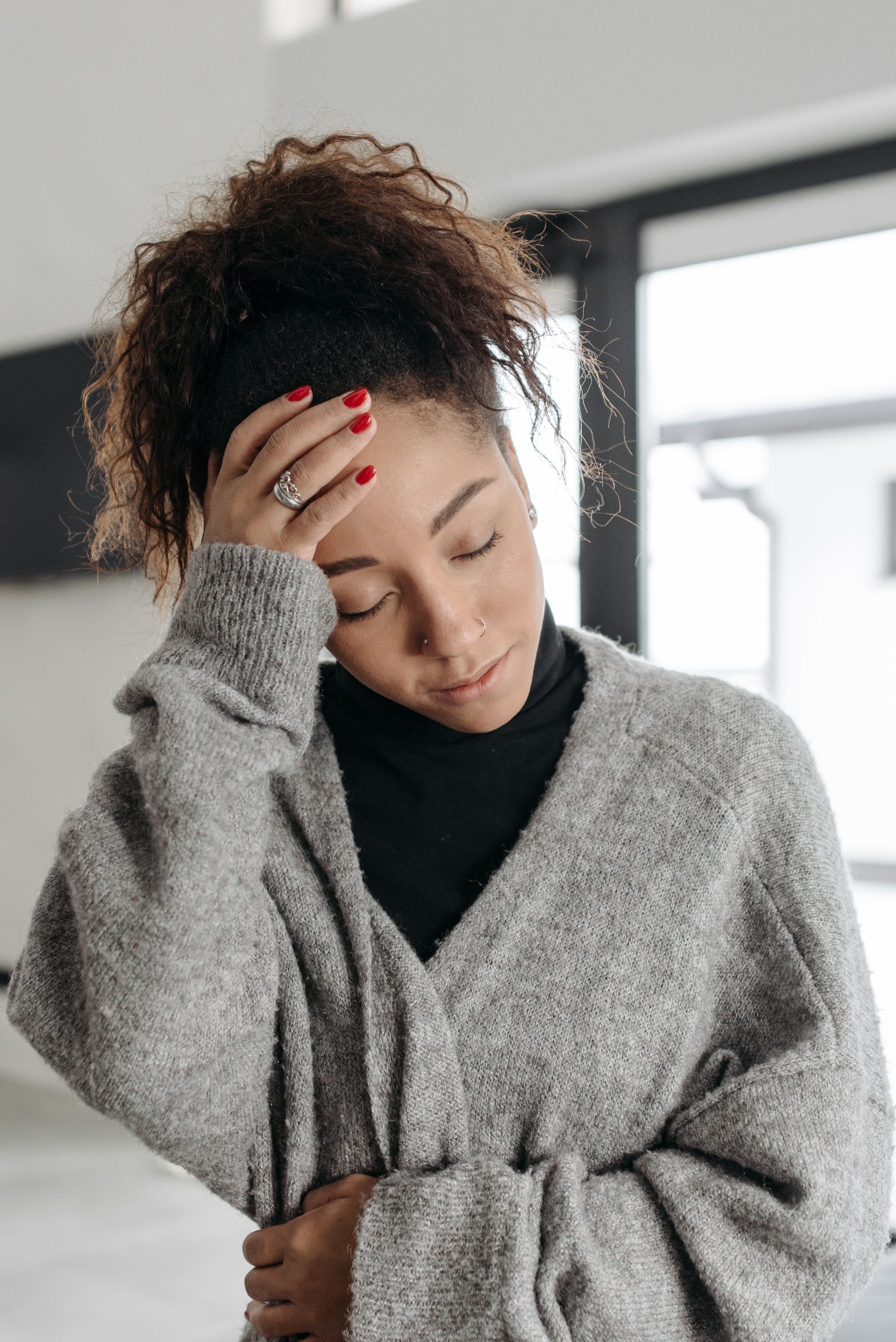
If you are like me, you have felt the all-too-familiar yearly mammogram uncomfortability—and when I say uncomfortability, I mean in all ways: emotional, physical, and yes, even existential.
Maybe your internal voice sounds a little like mine:
Will this be the year the mammogram reveals something I never wanted to see? A shadow? Too much density? Something suspicious? Something that changes everything?
I have been getting mammograms since I was supposed to. That means a long time. What else was I to do? I am a rule keeper when it comes to medical management. Recently, I had my yearly mammogram at the same Breast Center I have used for more than 15 years. During those years, three times I have received that call—the one you would rather not receive—asking me to come back for an ultrasound. Thankfully, each time the ultrasound revealed nothing concerning.
But you know that uneasy feeling.
I also happen to have fibrocystic, very dense breast tissue, which can make mammograms more difficult to interpret. I have no family history of breast cancer, but somehow that doesn’t completely quiet the voice. Each year I still wonder, Will this be the year I don’t get great news?
So, as a Health Coach, you better believe I am interested in doing everything I reasonably can to stay metabolically healthy and improve the lifestyle markers that support good breast health.
The encouraging news is this: there actually are things we can do.
However that said, Breast Cancer isn’t entirely in our control, but risk isn’t out of our hands either! That’s the part I like. Let’s be clear. There is no lifestyle program that guarantees we will not develop breast cancer. Age, genetics, reproductive history, breast density, hormonal exposures and plain biology matter. The American Cancer Society is very clear about this: there is no sure way to prevent breast cancer.
But that is very different from saying lifestyle doesn’t matter.
Research consistently points toward several modifiable factors associated with breast cancer risk: physical activity, body weight, particularly after menopause, and alcohol consumption.
The World Cancer Research Fund concludes that physical activity protects against postmenopausal breast cancer, with evidence also supporting vigorous activity in reducing premenopausal breast cancer risk. And the American Cancer Society recommends 150–300 minutes of moderate exercise or 75–150 minutes of vigorous exercise each week, with 300 minutes or more considered optimal.
There is another important piece for women as we age: metabolic health and weight matter. Weight gain and excess body weight after menopause are associated with increased breast cancer risk. The biology is complicated—body fat is not simply inert storage tissue. It interacts with hormones, insulin signaling and inflammatory pathways.
And then there is alcohol. This is one we sometimes don’t like talking about. Some evidence links alcohol consumption with increased breast cancer risk, and the World Cancer Research Fund states that the less alcohol consumed, the lower the risk. The ACS goes further in its general cancer-prevention guidance: for cancer prevention, not drinking alcohol is best. That hits hard and isn’t a super popular notion!
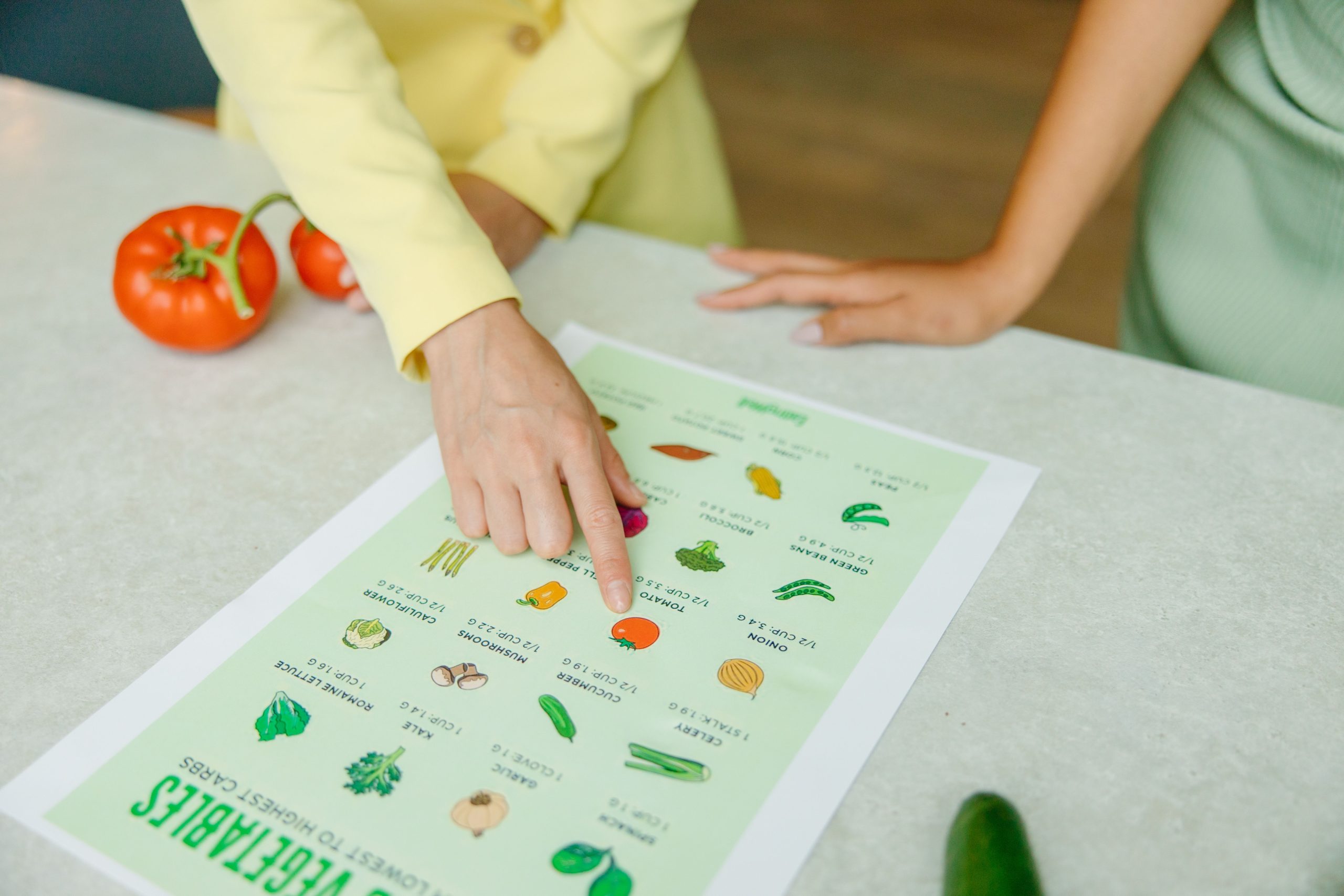
We can’t allow nutrition to be a sidebar to this conversation. While there may not be a magical “breast cancer diet, dietary patterns help shape weight and metabolic health. A predominantly whole-food eating diet, rich in vegetables, fruits, legumes and whole grains, and the COLOR of the rainbow is critical. We additionally need to limit highly processed foods, sugar-sweetened beverages and processed meats. All of this is consistent with current cancer-prevention recommendations. Readers of this blog ~ you know this, so really, it can’t be revelatory. At UWC this is our battle cry…..FOOD IS, IS, IS medicine.
And then this new exercise study caught my attention that our very own Dr. Elizabeth Boham posted on one of her stories just today…
A fascinating study published in Supportive Care in Cancer looked at something slightly different. Instead of asking whether exercise could help prevent breast cancer, researchers asked what exercise might do after breast cancer has already been diagnosed and while women are undergoing chemotherapy.
Women with early-stage breast cancer participated in a 12-week supervised program combining aerobic and resistance exercise during chemotherapy. The program was feasible, with 83.6% attendance and 77.9% adherence. The women maintained body weight and fat mass, showed a signal toward increased lean mass, and reported significantly improved global quality of life. Researchers also observed intriguing immune and metabolic changes, including changes in CD8+ T-cell populations and prevention of the rise in insulin seen in the comparison group.
Now, don’t run too far with this one. It was a small, non-randomized pilot study—11 women completed the exercise intervention, with six controls used for blood comparisons—so it does not prove that exercise prevents breast cancer, improves survival, or makes chemotherapy more effective. But I find the direction fascinating.
Even during chemotherapy, the body remained responsive to exercise. Movement was associated with measurable changes in metabolism, immune biology, body composition and quality of life. That is a pretty powerful reminder that our lifestyle behaviors are not just something we do when we are “healthy.” They interact with our biology throughout our lives.
So What Am I Doing?
I’m doing many of the same things I talk about every day with my coaching patients: moving my body, lifting weights, protecting muscle, keeping metabolically fit, eating nutrient-dense whole foods, limiting alcohol, prioritizing sleep, managing stress and keeping up with appropriate screening.
Not because any one of these things gives me a guarantee. They don’t. But because lifestyle is one part of breast health where I actually have some agency.
Perhaps that is what I need to now think about when I walk into that Breast Center each year. I cannot control every cell in my body. I cannot control aging, breast density, genetics or every future mammogram result.
But I can control what I repeatedly do, and I will. My own mother will turn 95 years old this December. She still lives in her own home, cooks her own breakfast and tells me how grateful she is for living in a home she built over 60 + years ago with my father. She fed me whole food, never brought processed food in the form of sugary snacks into our home, (much to my adolescent angst) moves daily…and still is making her own bed.
Habits are much more than checking boxes on a wellness list. Exercise, strength training, nutrition, metabolic health, alcohol choices, sleep and stress management, these are the ordinary things we can do again and again—and collectively, they can influence the biological terrain in which health and disease develop.
The question is~
“What can I do today—and then again tomorrow—to give my body the healthiest environment I reasonably can?”
Then do it….over and over again!