
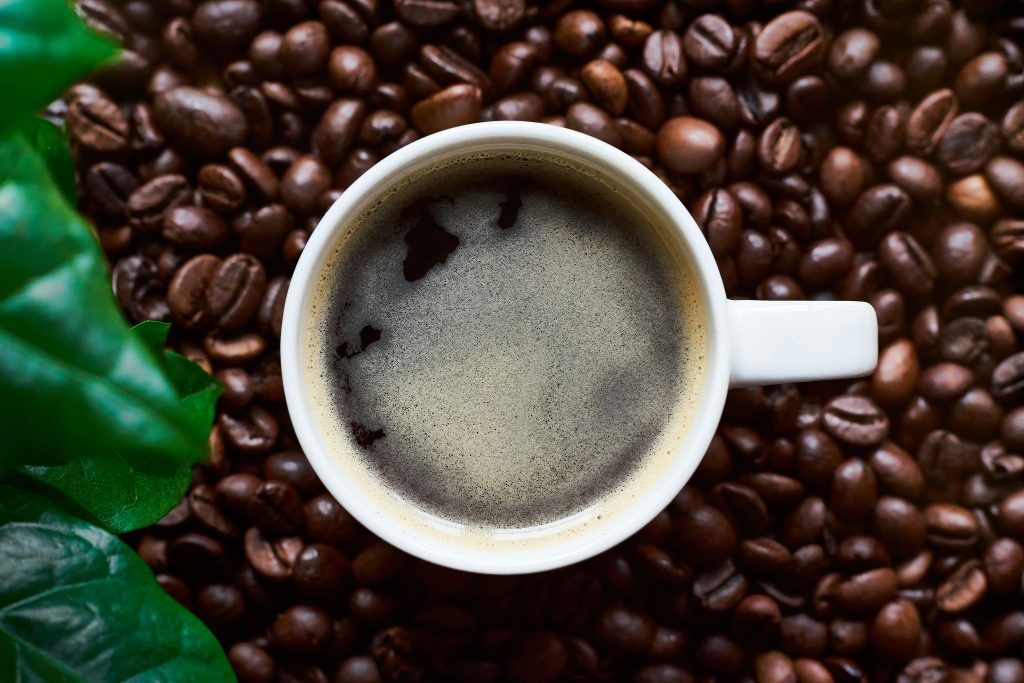
The ritual of making coffee often feels like a sacred, almost meditative process, rich with sensory experiences that mark the beginning of a day or the respite of a break. The scent can be grounding or energizing, and the aroma is often described as rich and robust, with deep chocolate, toasty caramel or fruity roasted undertones. Taking the first sip, the flavor profile unfolds—bitter, sweet, acidic, or smooth, depending on the roast and blend. The aroma plays a significant role in this experience, as much of what we taste is influenced by what we smell.
But is it good for you? The answer is complicated. Many commercially available coffee drinks contain sugar levels of almost 50 grams, or nearly 12 teaspoons, of added sugar. Given that one in three Americans suffer from metabolic dysfunction, sugar sweetened coffee is not the healthiest choice. In addition, coffee plantations differ in farming practices (organic vs conventional) which impact the health promoting quality of coffee bean.
On the flip side, it’s well known that a cup of coffee can improve mental alertness, enhance mood, and increase physical performance. It’s also a rich source of antioxidants, such as polyphenols, compounds that help to neutralize harmful free radicals and help protect cells from damage and reduce inflammation. In addition, research suggests that coffee intake is associated with a reduced risk of many diseases including diabetes, cirrhosis, liver disease and colorectal cancer, heart disease, Alzheimer’s Disease and Parkinson’s Disease as well as a longer lifespan. These benefits highlight coffee as not only a popular beverage but also a potential contributor to overall health and well-being when consumed in moderation. Keep in mind these are observational studies. They cannot prove that coffee caused the reduction in disease risk — only that coffee drinkers were less likely to get these diseases.
Understanding how and where your coffee is produced will ensure maximum antioxidant capacity. Coffee beans grown at high altitudes produce antioxidants to protect the coffee tree from harmful UV light. The higher the altitude, the greater the antioxidant protection required and the more antioxidants for the consumer. In addition, for coffee beans grown at high altitude, there tends to be less mold and less mold contamination. Furthermore, beans that are water washed and dried, vs sun-dried, will have less mold contamination. Unfortunately, beans that develop mold are typically tossed in with the good beans, roasted, ground, packaged and sold. When possible, it may be best to choose whole beans and grind them yourself prior to brewing.
So, what’s in your cup?? A powerful combination of antioxidants including:
- Chlorogenic Acids (CGAs): The most abundant antioxidants in coffee. They are a family of compounds that include caffeic acid and quinic acid and are known for their anti-inflammatory and anticarcinogenic properties.
- Cafestol and Kahweol: These are diterpenes found in the oil of coffee beans. They have been shown to have anti-inflammatory and anticancer effects.
- Melanoidins: These are complex compounds formed during the roasting process through the Maillard reaction. They contribute to the antioxidant activity of coffee.
- Hydroxycinnamic Acids: These include ferulic, p-coumaric, and sinapic acids, which are effective in scavenging free radicals.
- Quinides: These compounds are formed during the roasting process and are known for their antioxidant properties.
- Trigonelline: Although primarily known for its role in coffee’s flavor, trigonelline also has antioxidant properties.
- Vitamin E and Niacin: Coffee contains small amounts of vitamin E (tocopherol) and niacin (vitamin B3), both of which have antioxidant effects.
Organic and conventionally grown coffee differ primarily in their cultivation methods and potential impacts on health and the environment. The benefits associated with organic coffee compared to conventionally grown coffee include no synthetic chemicals, promotion of biodiversity and healthier soil, reduced exposure of the coffee beans to potentially harmful synthetic chemicals used in conventional farming, possibly better taste, and support for small-scale farmers and fair-trade practices.
However, it’s important to note that organic certification does not guarantee superior taste or quality in every case, as factors like bean variety, processing methods, and freshness also play significant roles. Additionally, organic farming may have lower yields and higher production costs, which can affect availability and pricing.
In contrast, conventionally grown coffee may benefit from higher yields and lower costs due to synthetic inputs, but this comes with potential environmental and health concerns related to chemical usage. Ultimately, choosing between organic and conventional coffee depends on personal preferences regarding health, environmental impact, and taste preferences.
Choosing high-quality coffee involves considering several factors that can affect the taste, aroma, and overall enjoyment of your coffee. Choosing best quality coffee is multifactorial. This list is lengthy but may help to guide selections:
- Coffee Beans Origin: Research the origin of the coffee beans to find flavors that appeal to your taste preferences. For example, beans from Ethiopia may have fruity and floral notes, while beans from Colombia might be more balanced with nutty and chocolatey flavors.
- Freshness: Freshly roasted coffee beans retain more flavor and aroma. Look for coffee beans that have been recently roasted. Check for the roast date on the packaging and aim to consume coffee within 2-4 weeks of roasting for optimal freshness.
- Roast Level: The roast level significantly impacts the flavor profile of the coffee. Lighter roasts tend to preserve more of the bean’s original flavors and acidity, while darker roasts develop more caramelized sugars and can have a bolder, smokier taste. Choose a roast level that matches your flavor preferences.
- Bean Variety: Arabica and Robusta are the two main types of coffee beans. Specialty coffee often uses Arabica beans which are known for their smooth, aromatic qualities and are generally considered higher quality. Robusta is more commonly found in mass-produced coffee blends and have a stronger, more bitter flavor and higher caffeine content.
- Caffeine: Robusta beans have almost double the caffeine of Arabica beans, averaging 2.2–2.7% compared to Arabica’s 1.2–1.5%. Decaffeinated coffee is produced by removing most of the caffeine from the coffee beans. Several methods are used to decaffeinate coffee, each with its own process and impact on the flavor and composition of the beans. When possible, choose Swiss Water Processing to avoid exposure to chemical solvents typically used in removing caffeine.
- Growing Conditions: Arabica trees grow at higher altitudes where the cooler nights and hotter days slow the growth of coffee cherries, allowing them more time to develop and resulting in a more refined flavor. Robusta trees grow at lower altitudes and are more resistant to drought, pests, and disease. Robusta plants are also hardier and can grow in a variety of environments.
- Grind Freshness: If buying pre-ground coffee, choose a package that has a degassing valve (for whole beans, this is less critical). Freshly ground coffee retains more of its flavors and aromas compared to pre-ground coffee, which can lose its freshness more quickly.
- Certifications: Look for Fair Trade, Organic, or Rainforest Alliance, which ensure ethical and sustainable farming practices. These certifications can also indicate higher-quality beans and support for coffee-growing communities.
- Grind Type: If you’re buying whole beans and grinding them at home, consider the grind type that matches your brewing method. Different brewing methods (e.g., French press, espresso, pour-over) require different grind sizes to optimize extraction and flavor.
- Packaging: Coffee should be stored in airtight, opaque packaging to protect it from light, moisture, and air exposure, which can degrade its quality over time.
- Local Roasters and Specialty Shops: Consider buying coffee from local roasters or specialty coffee shops. They often source high-quality beans, provide detailed information about their coffee, and may offer freshly roasted beans that you can grind to order.
Is coffee good for you? Yes! Choosing quality beans and opting for unsweetened brew will maximize health benefits to the consumer. Sourcing single estate, organic if possible, high altitude, water-washed beans may ensure best possible antioxidant blend and brewing experience. Overall, a good cup of coffee can be a multi-sensory experience that not only delights the taste buds but also offers numerous mental, physical, and social benefits.