
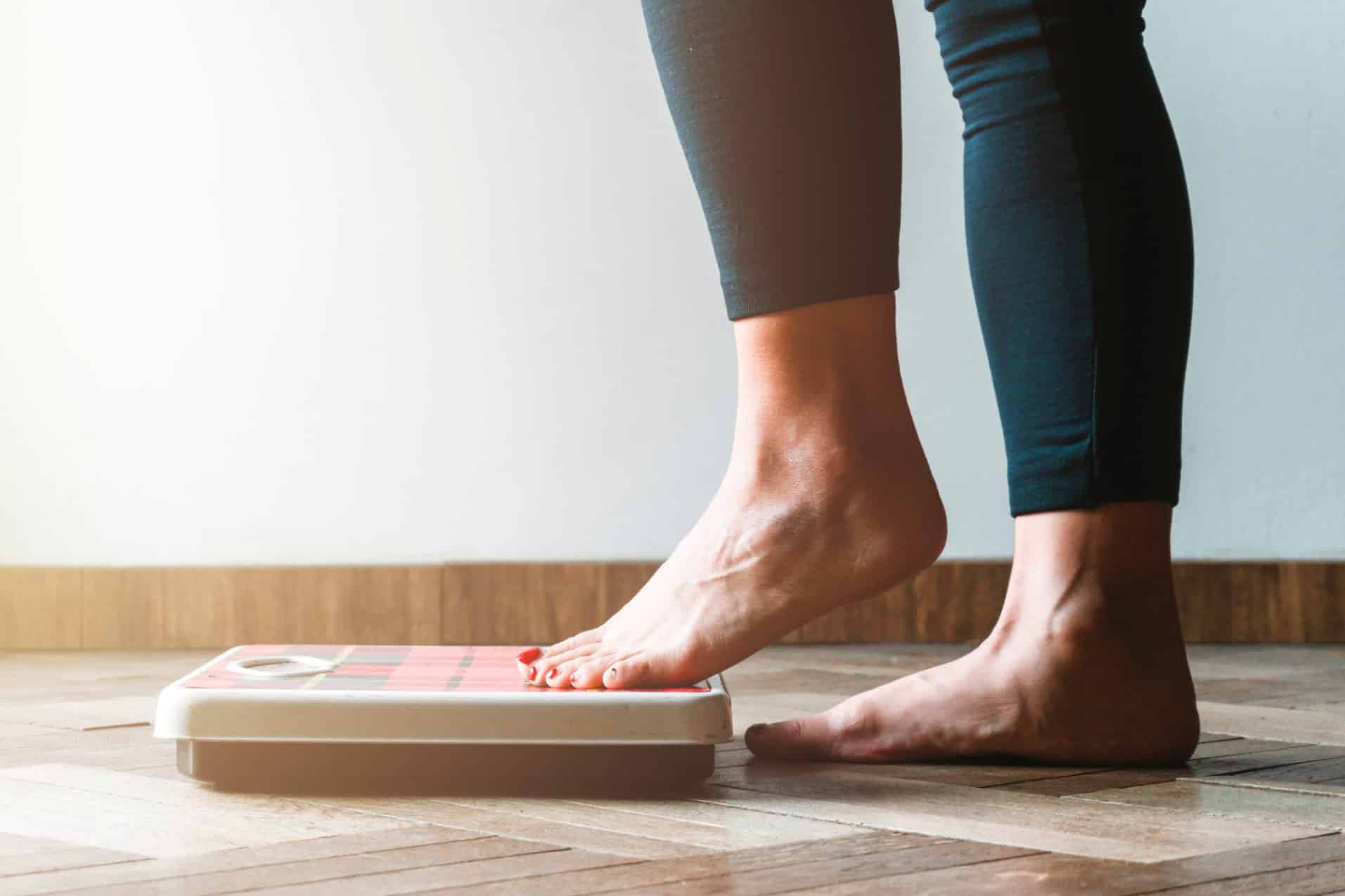

Growing up in a world that places so much value on outward appearance can be hard to navigate. From the time we’re little, we’re surrounded by messages about beauty and body ideals long before we can even understand what they mean. Over time, these messages quietly seep in and start to shape how we see ourselves. They influence how we eat, dress, spend money, and set goals. Then before we know it, our sense of worth can start to revolve less around how we feel and more around how we look. Even the most health-conscious among us can fall into this trap without realizing it.
We also live in a culture that glorifies youth. When we’re younger, our metabolism runs high, and our bodies are more forgiving. It’s easy to take that for granted. Then one day, things shift—our hormones, our sleep, our energy—and we find ourselves frustrated that what used to work no longer does. But this isn’t failure, our bodies are designed to change over time. The real challenge is to shift our focus from trying to control those changes to honoring and learning more about them, to meet our bodies with acceptance.
Certain body measurements—like weight, BMI, and waist size—can be tied to health risk, but they’re far from the whole story. What we can’t see often matters more: things like inflammation, visceral fat (fat around the organs), nutrient deficiencies, hormone changes, and emotional stress.
While this is where our attention should be, we often get distracted by that “stubborn” five or ten pounds that won’t budge. But that extra weight may actually be your body’s way of protecting you, not betraying you. The real question becomes: is it truly unhealthy, or is it simply uncomfortable because of what we’ve been taught to believe?
The Cost of Trying to Be Thinner
When we spend so much time and energy trying to control our body’s appearance through strict diets, endless tracking, or punishing workouts, we start to lose touch with the signals that guide true health. Hunger, fullness, energy, mood, and even menstrual cycles are all messages from our body trying to tell us something. Ignoring them in pursuit of a certain number can backfire, raising stress hormones like cortisol and making it even harder to feel balanced or to lose weight. But beyond that, it chips away at our inner peace. Sometimes, our bodies aren’t the ones that need to change, our relationship to them does.
Understanding the Root Causes
If you’ve ever wondered why your body doesn’t respond to a diet or routine that worked for someone else, it’s not because you’re doing something wrong. It’s because your body is unique and the root causes are unique as well. Weight loss resistance or body composition changes often have deeper roots such as:
· Hormonal changes
· Thyroid or adrenal imbalances
· Blood sugar imbalances and insulin resistance
· Poor sleep
· Chronic stress
· Gut dysbiosis
· Chronic inflammation due to illness, infection, injury, etc.
When root causes are addressed, the body often finds its balance naturally. Yet sometimes, even after doing all the right things, your body still holds onto a few extra pounds. That doesn’t mean something’s wrong or that you’ve failed. It may simply be your body’s new set point, the place where it feels safe, stable, and well-nourished. You can be metabolically healthy, hormonally balanced, and deeply well without reaching a specific number on the scale.
Shifting from Control to Compassion
Accepting your body doesn’t mean giving up on health, it’s an opportunity to redefine it. Instead of asking, “How can I make myself thinner?” try asking, “How can I take better care of myself?”
Here are some gentle ways to start:
· Practice body neutrality. You don’t have to love every part of your body every day. Start with respecting it the way you would a best friend.
· Tune in, don’t tune out. Notice how food, movement, rest, and even stress affect how you feel. Your body is always communicating, you just have to slow down and listen.
· Unfollow comparison. Fill your feed (and your life) with people who value authenticity and body diversity over perfection. Or take a break from social media altogether.
· Move for joy, not punishment. Exercise should feel good and leave you stronger, not depleted. Move in ways that remind you of what your body can do, not what you think it should look like.
· Eat for nourishment, not fear. Focus on what you can add and ways to make your meals more enjoyable rather than what you think you have to avoid.
A Daily Practice of Self-Acceptance
Body acceptance isn’t something that happens overnight, it’s something we practice a little bit at a time. Here are a few ways to begin building that acceptance muscle:
1. Morning gratitude. Start your day by naming one thing your body allows you to do such as walk, hug, breathe, laugh, heal, etc.
2. Mirror affirmation. Look at yourself and say something simple and true: “This is my body today. It deserves kindness.”
3. Mindful eating pause. Before you eat, take a few deep breaths and remind yourself, “I’m nourishing myself.”
4. Evening reflection. Write down one small way you honored your body today. Maybe you rested, stretched, or read an enjoyable book when it needed a break.
You were never meant to be at war with your body. Healing begins when you stop chasing thinner and start choosing stronger, calmer, and more connected. When care replaces control, everything starts to shift. Your energy improves, your digestion steadies, and your body often settles into the shape it feels safest and healthiest. And here’s where the science meets the soul: as Bruce Lipton’s work in The Biology of Belief reminds us, the thoughts and emotions we hold about ourselves can literally change our biology. Your cells respond to the environment you create with your beliefs—fear and self-criticism activate stress-related hormonal pathways, while love, safety, and compassion promote parasympathetic activity, repair, and balance.
If you approach your body with frustration or shame, it stays in defense mode. But when you treat yourself with patience and love, the same way you would a child or someone you care deeply about, your biology shifts toward healing. Real health starts not with control, but with connection: believing your body is on your side and worthy of your care
Additional Resources
If you’re looking for additional resources to help navigate body image, diet culture, and self-love, here are a few books worth considering:
· Body Kindness: Transform Your Health from the Inside Out and Never Say Diet Again by Rebecca Scritchfield, RDN
· Reclaiming Body Trust: Break Free from a Culture of Body Perfection, Disordered Eating, and Other Traumas by Hilary Kinavey, MS, LPC and Dana Sturtevant, MS, RD
· The Body Is Not an Apology by Sonya Renee Taylor