
- Introduction
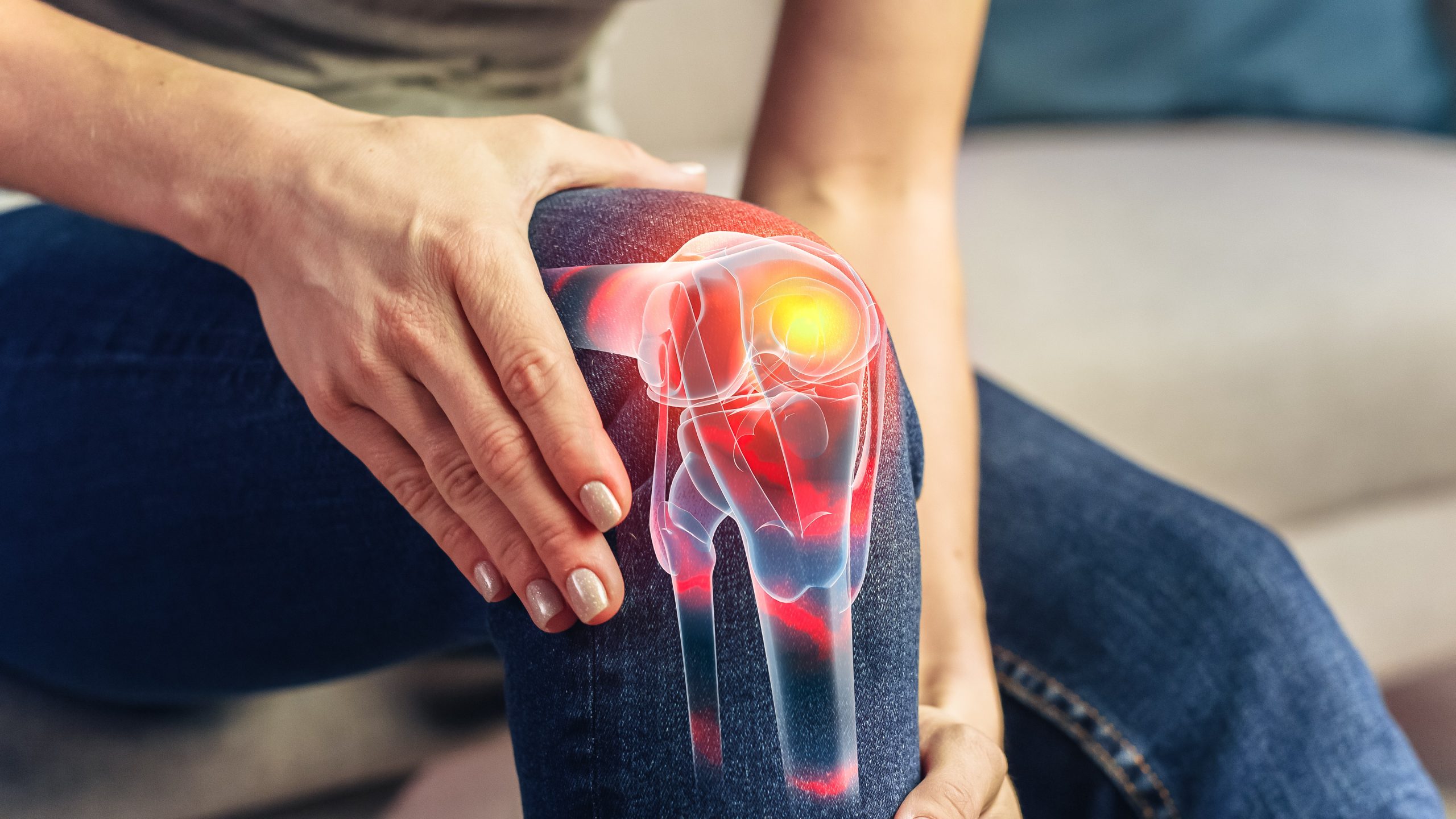
Ozone therapy has a long history in integrative and alternative medicine, initially developed for its antimicrobial and anti-inflammatory properties. Prolozone therapy is a derivative, coined by Dr. Frank Shallenberger, that merges ozone with proliferative therapy (prolotherapy). Specifically, intraarticular Prolozone injections involve delivering a combination of oxygen/ozone gas and other regenerative substances directly into joint spaces. The goal is to stimulate repair of damaged cartilage, ligaments, and other soft tissue, while reducing pain and inflammation in a minimally invasive manner.
- What does oxygen have to do with joints?
Joints tend to have less oxygen as we age or after injury due to a combination of biological and structural changes:
- Reduced Blood Flow
- Aging: Blood vessels around joints become narrower and less efficient, reducing oxygen delivery.
- Injury: Swelling or damage can compress blood vessels, restricting blood flow temporarily or long-term.
- Cartilage Has No Direct Blood Supply
- Cartilage (which cushions joints) relies on diffusion from nearby tissues for oxygen. This process becomes less efficient with age or inflammation.
- Cellular and Structural Changes
- Aging: Cells in joint tissues become less active and responsive, slowing oxygen use and healing.
- Injury: Inflammatory processes can increase oxygen demand while simultaneously disrupting supply.
- Synovial Fluid Changes
- This fluid nourishes joints, but its composition and oxygen-carrying capacity decline with age or trauma, affecting joint health.
So, it’s a combo of poorer blood supply, aging tissue, and less efficient diffusion that leads to less oxygen in joints over time or after injury.
- What is Ozone (O₃)?
Ozone is a molecule made up of three oxygen atoms (O₃). It’s a high-energy form of oxygen—unstable and highly reactive—compared to the oxygen we breathe (O₂). While ozone in the upper atmosphere protects us from UV radiation, it also has powerful oxidative and biological properties when used medically.
- How is Ozone Created for Prolozone Therapy?
In prolozone therapy, ozone is created from medical-grade oxygen (O₂) using an ozone generator. Here’s how:
- Electric Discharge (Corona Discharge): The generator applies a high-voltage current to medical grade oxygen (O₂), splitting O₂ molecules into single oxygen atoms (O).
- Recombination: These single atoms quickly recombine with O₂ molecules to form ozone (O₃).
O₂ → 2O
O + O₂ → O₃
This is done under controlled medical conditions to ensure the exact concentration (usually 1–40 µg/mL) for therapeutic use.
5.What is Prolozone Therapy?
Prolozone = Proliferation + Ozone
It’s an injection therapy used to treat musculoskeletal pain and injuries. It combines:
- Ozone gas (O₃)
- Procaine (a local anesthetic)
- Anti-inflammatory vitamins or minerals (e.g., B-complex, magnesium)
- It’s injected directly into joints, ligaments, or soft tissue where there is degeneration or inflammation.
6.How Ozone Works at the Molecular Level
Ozone has several biochemical effects that make it uniquely suited for healing:
- Improves Oxygen Utilization
- Ozone stimulates 2,3-DPG (2,3-diphosphoglycerate) in red blood cells.
- This helps hemoglobin release oxygen more easily to tissues.
- It also upregulates mitochondrial enzymes like cytochrome c oxidase, boosting cellular respiration (ATP production).
- It helps convert NADH to NAD⁺, optimizing redox reactions in energy production.
Result: Tissues use oxygen more efficiently, even in hypoxic (low oxygen) or inflamed environments.
- Regenerates Connective Tissue
- Ozone acts as a mild oxidative stressor, which stimulates:
- Fibroblast activity (cells that produce collagen and extracellular matrix)
- Growth factor release (like TGF-β and VEGF)
- Stem cell activation
- This promotes tissue regeneration, strengthening ligaments, cartilage, and tendons.
- Anti-inflammatory and Antimicrobial Effects
- Ozone modulates the NF-κB pathway, reducing pro-inflammatory cytokines (like IL-1, TNF-α).
- Generates small amounts of ROS (reactive oxygen species) and lipid oxidation products, which act as signaling molecules that trigger antioxidant defenses.
- Ozone also kills bacteria, viruses, fungi on contact—useful if infection is contributing to joint inflammation.
Summary of Benefits in Prolozone Therapy
| Mechanism | Benefit |
|---|---|
| Oxygen delivery & mitochondrial activation | Pain relief, energy boost |
| Fibroblast stimulation | Ligament/cartilage regeneration |
| Anti-inflammatory signaling | Reduces chronic pain/inflammation |
| Antimicrobial action | Fights low-grade infections |
- Who is Prolozone Good For?
Prolozone therapy may be beneficial for patients with:
- Osteoarthritis (particularly knee, shoulder, hip, or spine)
- Joint instability or ligament laxity
- Chronic musculoskeletal pain
- Failed conventional treatments (NSAIDs, corticosteroids, physical therapy)
- Those seeking alternatives to surgery or steroid injections
It is especially considered for individuals looking for non-surgical, minimally invasive options with shorter recovery times.
*Relative contraindications encompass uncontrolled hyperthyroidism, thrombocytopenia, severe cardiovascular instability, seizure disorders, and pregnancy
- Medical Literature: Evidence Base
While Prolozone is still considered outside the mainstream of conventional Western medicine, growing evidence supports its efficacy. Key findings include:
4.1 Clinical Studies
- Re et al. (2015) – A randomized controlled trial comparing ozone injections to hyaluronic acid in patients with knee osteoarthritis found similar efficacy in reducing pain and improving function.
- Bubalo et al. (2021) – Showed improvement in joint pain and function in patients with knee osteoarthritis after a series of intraarticular ozone injections.
- Shallenberger (2004) – An observational study that showed significant pain relief and functional improvement in patients undergoing Prolozone for various joint and back problems.
4.2 Systematic Reviews
- A 2019 systematic review in Pain Physician concluded that ozone therapy can be a safe and effective treatment for degenerative joint diseases, but emphasized the need for larger, high-quality randomized trials.
- A 2020 meta-analysis found that ozone therapy provided significant pain relief compared to placebo and some traditional treatments, especially for knee osteoarthritis.
However, the current body of literature is limited by small sample sizes, variable methodologies, and a need for more robust RCTs. The mainstream medical community still considers Prolozone investigational.
- Potential Benefits
- Pain reduction without opioids or steroids
- Improved mobility and function
- Low risk of systemic side effects
- Non-surgical and minimally invasive
- Short recovery time
- Can be used adjunctively with physical therapy and other modalities
- Risks and Side Effects
Prolozone is generally considered safe when administered properly, but potential risks include:
- Mild discomfort at the injection site
- Temporary increase in pain post-injection
- Infection (rare with sterile technique)
- Ozone-related irritation or inflammation if improperly administered
- Very rare: allergic reaction to anesthetic or additives
Proper training in ozone handling and joint injection techniques is essential to minimize complications.
- What can I expect?
The injection process is similar to cortisone injection. The injection site is marked, cleansed, sprayed with an anesthetic, injected with a mixture of prolocaine (xylocaine or lidocaine) and methylcobalamin after which the ozone gas is administered. The procedure itself typically takes only a few minutes.
During injections of prolozone and transiently after the injection, you may have a transient sensation of pressure or soreness. You may experience bruising at the injection site.
Post-Injection Guidelines:
- First 24 hours: Rest the joint, avoid any heavy lifting or high-impact movements.
- 48-72 hours: Light activity (like walking or gentle range-of-motion exercises) may be okay, unless you have increased pain or swelling.
- After 72 hours: You can usually return to normal activities gradually, but ease back into exercise and avoid pushing the joint too hard.
Typical Frequency of Prolozone Injections for Knee OA:
Prolozone injections have demonstrated good success in relieving pain. Some patients may feel relief immediately- potentially experiencing less pain, less inflammation, increased mobility and improved quality of life. Some patients, however, see benefit only after few injections. There is always the possibility that no benefit may be derived.
- Initial Phase:
- One injection every 1–2 weeks
- Usually 3 to 6 sessions are recommended in this phase.
- Maintenance Phase (if needed):
- Injections may be spaced out to every 4–6 weeks or even a few times a year, depending on symptom recurrence or persistence.
🔄 Treatment Adjustment:
- Improvement is often noticed after the first 1–3 treatments, but some people may need more. This may vary between patients for many reasons including prior state of health, degree of inflammation, severity of arthritis, etc.
- If there’s no significant improvement after 3–4 sessions, the provider might reassess the diagnosis or adjust the protocol.
🧊 Note:
- The exact protocol can differ by provider and patient response.
12.Conclusion
Prolozone therapy offers a promising, low-risk regenerative medicine technique option for individuals suffering from chronic joint pain, particularly osteoarthritis. Like other regenerative medicine therapies, this is considered an alternative, non surgical treatment. It is not FDA approved or covered by Medicare or commercial health insurance. While early clinical data and patient reports are encouraging, more high-quality research is necessary to fully validate its efficacy and long-term outcomes. Patients interested in Prolozone should consult with qualified integrative or regenerative medicine practitioners who specialize in this technique.
- References
- Re, L. et al. (2015). Comparison between intra-articular ozone and hyaluronic acid in osteoarthritis of the knee. International Journal of Ozone Therapy.
- Bubalo, G. R. et al. (2021). Effectiveness of intra-articular ozone injections in knee osteoarthritis: A clinical study. Journal of Clinical and Diagnostic Research.
- Shallenberger, F. (2004). Prolozone: Regenerating joints and relieving pain with ozone. Journal of Prolotherapy.